Creating a productive home office environment is essential for anyone working remotely or managing tasks from home. With the right setup, you can enhance your focus, reduce distractions, and maintain a healthy work-life balance. Whether you have a dedicated room or a small corner, these tips will help you design an efficient workspace tailored to your needs.
Choose the Right Location
Finding the best spot for your home office is the first step toward productivity. Ideally, pick a quiet area with minimal foot traffic to reduce interruptions. Natural light is a bonus—it can boost mood and energy levels. If possible, place your desk near a window to get daylight without glare on your screen.
If space is limited, consider creative solutions like using a fold-out desk or a wall-mounted workstation. The key is to have a consistent spot where you can focus and feel comfortable during work hours.
Invest in a Comfortable Chair and Desk
Comfort plays a big role in productivity. Sitting in an uncomfortable chair can lead to poor posture and back pain, which disrupts focus. Choose an ergonomic chair that supports your lower back and allows your feet to rest flat on the floor. Adjustable chairs are a great option to customize height and seating angle.
Pair your chair with a desk that suits your work style and equipment needs. The desk should be at a height where your arms can rest comfortably at a 90-degree angle while typing. If you use multiple monitors or need extra space, prioritize a larger surface.
Organize Your Workspace Efficiently
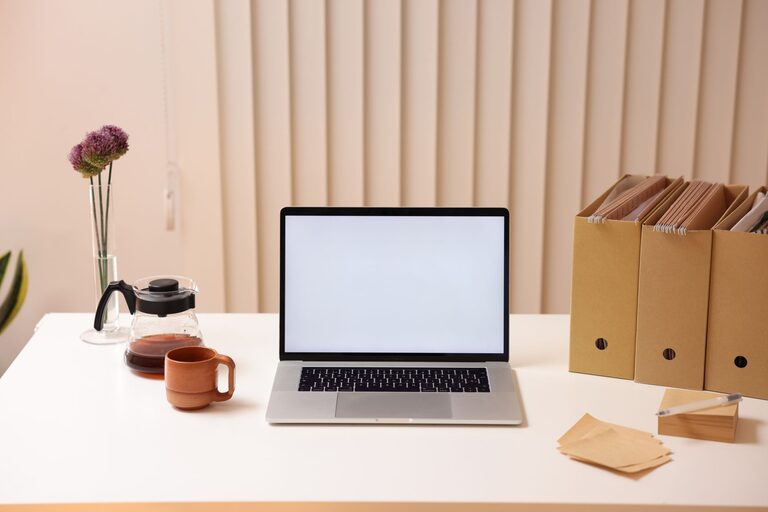
A cluttered workspace can be distracting and stressful. Keep your desk tidy by using organizers for pens, papers, and other supplies. Consider shelves, filing cabinets, or storage boxes to keep things off your desk but within reach.
Digital organization is important too. Use folders, cloud storage, and desktop management tools to keep files and projects easy to access. Spend a few minutes each day clearing the clutter to maintain a clean environment.
Set Up Proper Lighting
Lighting affects both comfort and productivity. Combine natural daylight with adjustable artificial lighting for the best results. Avoid harsh overhead lights that create glare or shadows on your work surface.
A good desk lamp with adjustable brightness can help you work comfortably during evenings or cloudy days. Consider using bulbs that mimic daylight, which can reduce eye strain and keep you alert.
Minimize Distractions
Home environments can be full of distractions, from household noise to family members. Try to set boundaries during work hours, letting others know when you’re focused and unavailable.
Noise-canceling headphones can help block out background sounds. Playing soft instrumental music or white noise may also improve concentration for some people.
Keep your phone on silent or in another room if it’s not necessary for your work. If you use social media or apps during breaks, try scheduling specific times to check them rather than constant access.
Personalize Your Space
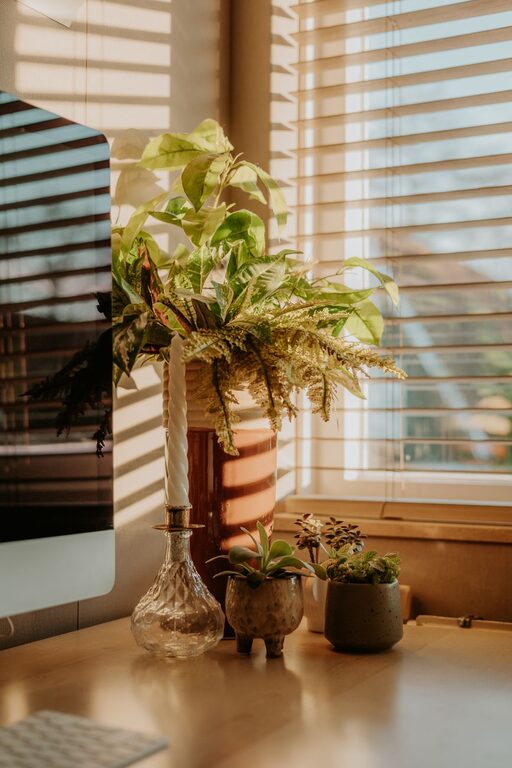
Adding personal touches makes your home office inviting and motivating. Choose decor that inspires you, such as artwork, plants, or photos. Greenery, in particular, can improve air quality and create a calming atmosphere.
Colors also impact mood. Soft blues and greens promote calm and focus, while bright accents like yellow or orange can add energy. Find a balance that feels right for your work style.
Maintain a Consistent Routine
Having a regular schedule helps your brain separate work time from personal time. Start your day with a morning routine, dressing as if you were going to an office to boost professionalism and mindset.
Take regular breaks to stretch, hydrate, and rest your eyes following the 20-20-20 rule: every 20 minutes, look at something 20 feet away for 20 seconds. This reduces eye strain and refreshes focus.
End your day by tidying your workspace and planning for tomorrow. This habit signals your brain that work time is over and helps you transition to personal time.
Leverage Technology
Use technology to your advantage by selecting the right tools for communication, project management, and productivity tracking. Video conferencing software, instant messaging apps, and cloud collaboration platforms keep you connected with your team.
Invest in reliable internet and backup solutions to avoid interruptions. Having a password manager and keeping software updated ensures security and smooth performance.
—
By following these tips, you can create a home office environment that supports productivity, comfort, and well-being. Remember, the best workspace reflects your unique needs and helps you feel motivated every workday. Experiment with layouts and routines until you find what works best for you. Happy working!