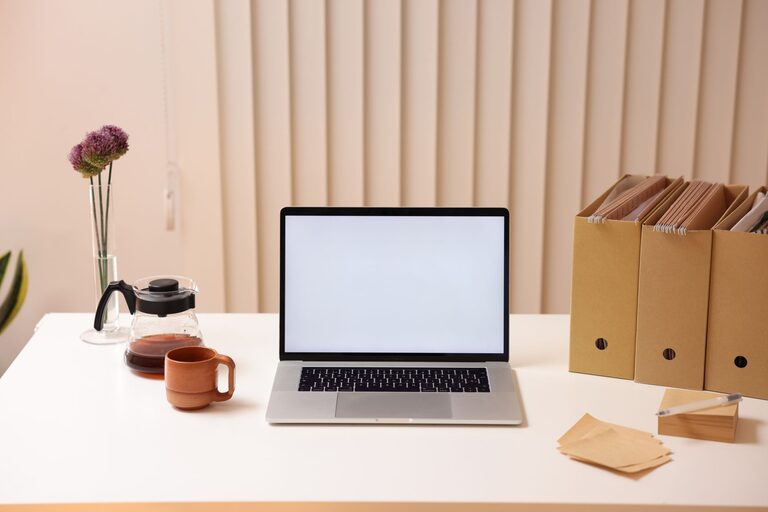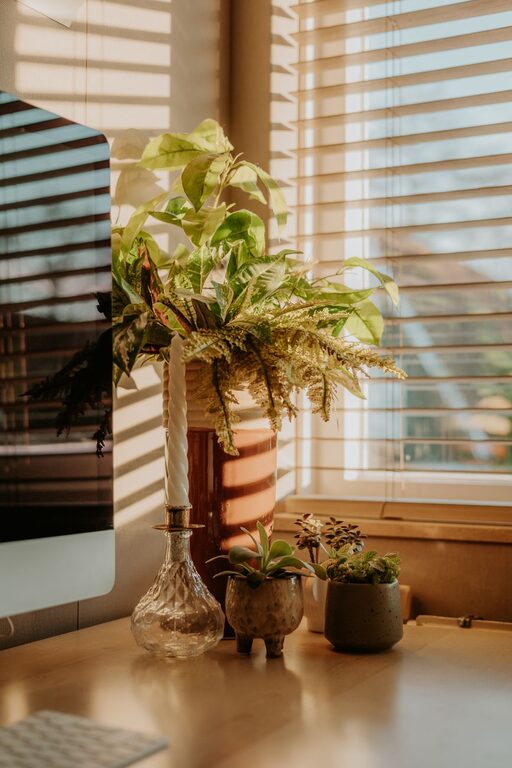
Creating a relaxing home office environment is essential for anyone working remotely or spending extended hours at home. A calming workspace helps improve focus, reduce stress, and boost overall productivity. Whether you have a dedicated room or just a small corner, you can design your home office to be a comfortable and inspiring place to work. Here are some practical tips to help you create a relaxing home office environment.
1. Choose the Right Location
Finding the right spot for your home office is the first step. Ideally, select a quiet area with minimal distractions. If possible, use a separate room with a door you can close to signal working time and maintain privacy.
If space is limited, a corner in a less-used room or a spot near a window can work well. Natural light is important, so try to position your desk near a window to benefit from daylight.
2. Invest in Comfortable Furniture
Comfort plays a big role in how relaxing your workspace feels. Choose an ergonomic chair that supports your back and promotes good posture. A desk at the right height will prevent strain on your wrists and shoulders.
If sitting all day isn’t comfortable, consider options like adjustable standing desks or a balance ball chair. Adding a footrest can also increase comfort during long work sessions.
3. Declutter and Organize
A clutter-free workspace creates a sense of calm and makes it easier to focus. Keep only essential items on your desk, such as your computer, a notebook, and a few personal touches.
Use storage solutions like shelves, drawer organizers, and filing cabinets to keep papers and supplies out of sight. Regularly tidying your space can help maintain a peaceful atmosphere.
4. Use Soothing Colors
Colors affect mood and productivity. For a relaxing home office, opt for soft, muted tones like light blues, greens, or neutrals. These colors promote calmness and can reduce anxiety.
Avoid overly bright or distracting colors on your walls and accessories. Instead, use pops of color with items like cushions, artwork, or plants to add personality without overwhelming the space.
5. Incorporate Natural Elements
Bringing nature into your workspace can boost your mood and reduce stress. Consider adding indoor plants, which improve air quality and create a relaxed environment.
You might also use natural materials like wooden desks or bamboo accessories. Even a small vase of fresh flowers or a nature-themed picture can make a difference.
6. Optimize Lighting
Good lighting is vital for comfort and energy levels. Natural light is the best option, but if that’s limited, use full-spectrum bulbs that mimic daylight.
Avoid harsh overhead lighting that can cause glare on screens. Instead, use layered lighting with a mix of task lamps, desk lamps, and ambient light sources. Adjustable lighting helps you set the right mood throughout the day.
7. Manage Noise Levels
Noise can be distracting and stressful. If your home is noisy, try using noise-cancelling headphones or playing soothing background music, white noise, or nature sounds to help you concentrate.
If possible, add soft furnishings like rugs, curtains, and cushions to absorb sound and reduce echo.
8. Personalize Your Space
Adding personal touches can make your home office more inviting and boost your mood. Photographs, art prints, or objects that inspire you can create a positive atmosphere.
Keep your desk tidy and avoid overcrowding it with too many items. A few meaningful decorations can make your space feel unique without becoming a distraction.
9. Set Boundaries and Schedules
To maintain a relaxing home office environment, establish boundaries between work and personal time. Stick to a regular schedule and take breaks throughout the day.
Use your workspace only for work when possible to help your brain associate that area with focus and productivity.
10. Incorporate Relaxation Tools
Consider adding elements that encourage relaxation during breaks. This might include a comfortable chair for stretching, a stress ball, or aromatherapy items like a diffuser with calming essential oils.
Taking a moment to breathe deeply, stretch, or meditate can refresh your mind and improve focus when you return to work.
—
Creating a relaxing home office environment doesn’t require a complete overhaul. Small adjustments and mindful choices can transform your workspace into a peaceful haven that supports your well-being and productivity. Start with these tips and tailor your space to what feels best for you.