Creating a workspace at home that balances comfort and productivity can make a significant difference in your daily routine. Whether you work remotely full-time, freelance, or simply need a dedicated place for managing personal tasks, a well-designed home office helps you stay focused while reducing stress. Here are some practical tips to help you build a relaxing and productive home office space.
1. Choose the Right Location
Find a Quiet Spot
Select a space in your home away from high-traffic areas like the kitchen or living room. This helps minimize distractions and noise interruptions. If space is limited, consider using noise-cancelling headphones or soundproofing options.
Consider Natural Light
Position your desk near a window to take advantage of natural light. Exposure to daylight can improve mood and energy levels. If natural light is limited, invest in good-quality, adjustable artificial lighting.
2. Invest in Comfortable and Functional Furniture
Ergonomic Chair
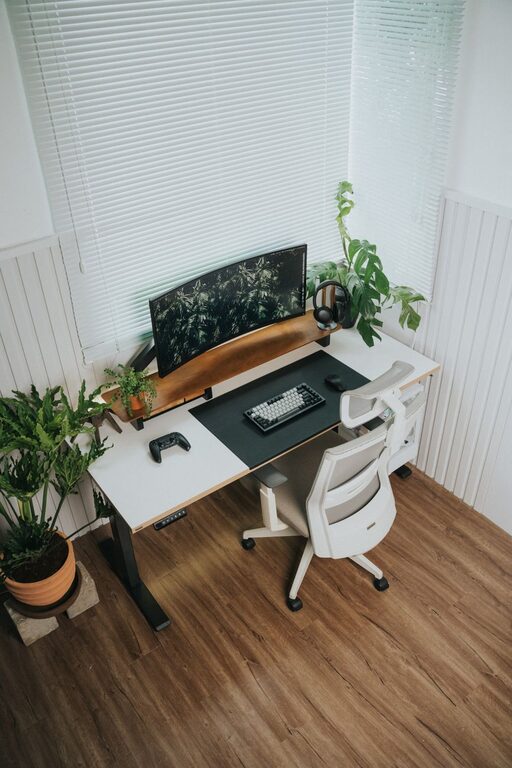
An ergonomic chair that supports good posture is essential. Look for adjustable height and lumbar support to prevent back and neck discomfort during long hours of sitting.
Desk Size and Storage
Choose a desk large enough to accommodate your computer, paperwork, and any other essentials, but not so big that it feels cluttered. Include storage options like drawers or shelves to keep your space organized.
3. Keep Your Space Organized
Use Storage Containers and Shelves
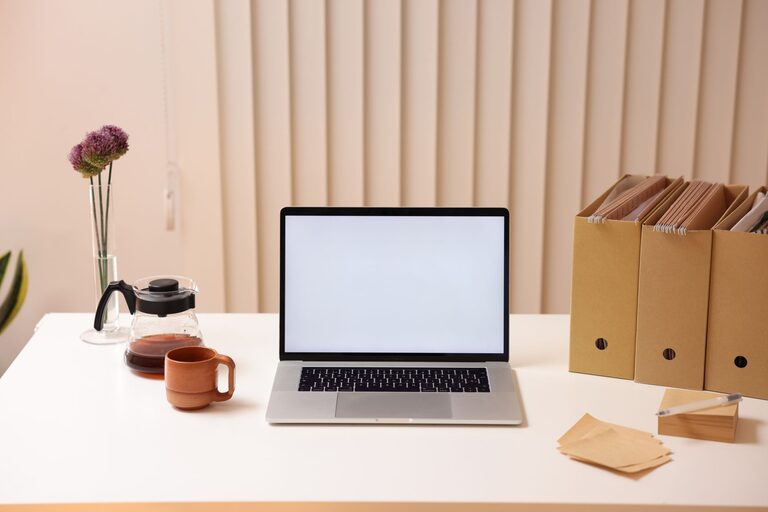
Clutter can impact focus and cause stress. Use bins, baskets, or filing systems to neatly store documents and office supplies.
Maintain a Daily Tidy-Up Routine
Take a few minutes at the end of each day to clear your desk and organize items. This creates a fresh start for the next day and promotes productivity.
4. Personalize Your Workspace
Add Plants
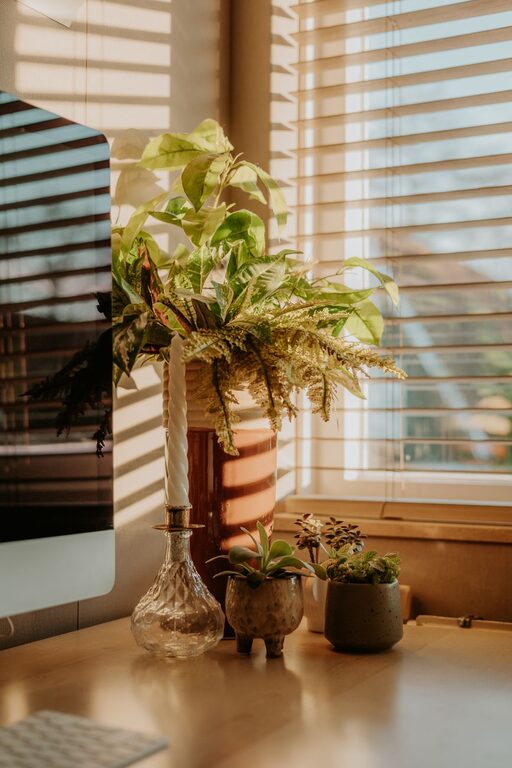
Indoor plants not only beautify your environment but can also improve air quality and reduce stress. Choose low-maintenance plants like succulents or pothos if you’re not confident in your gardening skills.
Incorporate Art and Photos
Display artwork or photos that inspire you or bring positivity. Personal touches help create a welcoming environment that motivates you to work.
5. Manage Technology Effectively
Invest in Reliable Equipment
Having a dependable computer, printer, and high-speed internet connection reduces frustrations and interruptions.
Organize Cables
Use cable organizers or clips to avoid tangled cords. A neat setup prevents distractions and potential hazards.
6. Control Lighting and Temperature
Adjustable Lighting
In addition to natural light, use desk lamps with adjustable brightness and color temperature. This helps reduce eye strain during different times of day.
Maintain Comfortable Temperature
Keep your workspace at a temperature that feels comfortable, typically between 68–72°F. Consider a small fan or heater if needed to stay comfortable year-round.
7. Create a Routine That Includes Breaks
Schedule Regular Breaks
Working non-stop can reduce productivity and increase fatigue. Use techniques like the Pomodoro Method (25 minutes work, 5 minutes break) to maintain focus.
Include Movement
Use break time to stretch or take a short walk. This helps boost circulation and refreshes your mind.
8. Minimize Distractions
Set Boundaries
Communicate your work hours to family members or housemates so they know when you’re not available.
Use Noise Control Tools
If external noise is a problem, try white noise machines, calming music, or apps designed to improve focus.
9. Optimize Air Quality
Ventilation
A well-ventilated space helps you feel alert. Open windows when possible or use an air purifier to maintain fresh air.
Avoid Strong Scents
Strong perfumes or air fresheners can be distracting or cause headaches. Choose mild, natural scents if desired.
10. Keep Motivation High
Set Goals
Create a visible list of daily or weekly goals to stay on track.
Celebrate Achievements
Acknowledge your progress to keep motivation strong. Even small wins deserve recognition.
—
By thoughtfully designing your home office using these tips, you can create a space that supports your well-being and productivity. With the right environment, you’ll find it easier to stay focused and enjoy the work-from-home experience. Remember, the key is balance—combining functionality with comfort to suit your personal needs. Happy workspace designing!