
Creating a home office that combines comfort with productivity can make a significant difference in your workday. Whether you’re working remotely full-time or occasionally need a quiet space, a well-designed workspace can help you focus and feel relaxed at the same time. In this post, we’ll explore practical tips to help you build a cozy and productive home office space tailored to your needs.
Why Your Home Office Setup Matters
Your workspace affects how you feel and work every day. An inviting, organized environment encourages creativity and focus, while a cluttered or uncomfortable area can lead to distractions and stress. The good news is that creating the perfect home office doesn’t require a huge budget or extensive renovations—just thoughtful planning and a few smart changes.
Choose the Right Location
Find a Quiet Corner
Start by selecting a spot with minimal noise and traffic. If possible, use a dedicated room or choose a quiet corner away from household activity. This helps reduce interruptions and makes it easier to concentrate.
Consider Natural Light
Natural light boosts mood and alertness. Place your desk near a window if you can to take advantage of daylight. If that’s not possible, invest in good quality lighting to keep your space bright but gentle on your eyes.
Select Comfortable and Functional Furniture
Invest in an Ergonomic Chair
Since you’ll spend hours sitting, a supportive chair is crucial. Look for one with adjustable height, lumbar support, and comfortable cushioning. This helps prevent back and neck pain.
Choose the Right Desk
Your desk should offer enough surface area for your computer, notebooks, and other essentials. Adjustable desks that let you switch between sitting and standing positions are great for your health and energy levels.
Organize with Purpose
Keep Your Desk Clutter-Free
A tidy desk reduces distractions. Use organizers, trays, or drawers to keep pens, papers, and gadgets neatly stored away. Only keep everyday essentials within arm’s reach.
Use Shelving and Storage Solutions
Maximize vertical space with shelves or wall-mounted organizers. Clear bins or boxes can also keep supplies sorted. Labeling items helps you find what you need quickly.
Personalize Your Space
Add Cozy Touches
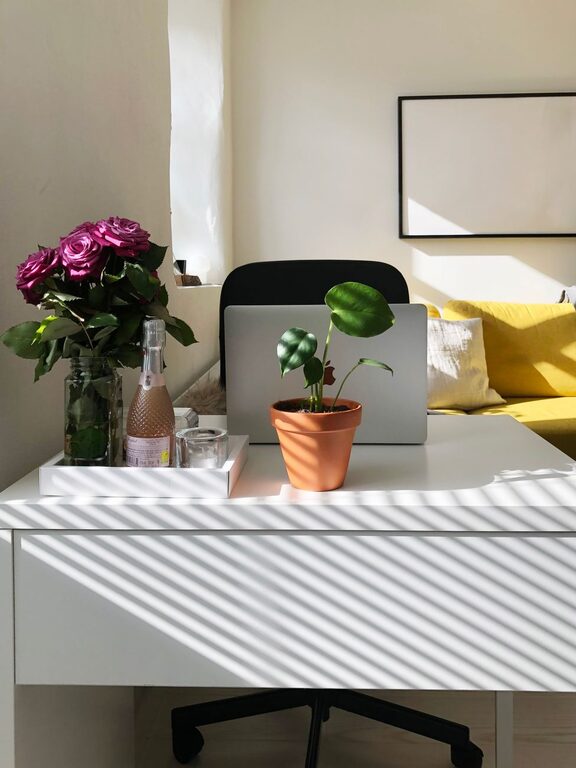
Soft blankets, cushions, or a small rug can make your office feel inviting. Adding personal items like photos, artwork, or plants can create a pleasant atmosphere that uplifts your mood.
Incorporate Plants
Indoor plants not only look attractive but can also improve air quality and reduce stress. Choose low-maintenance options like snake plants, pothos, or succulents if you’re new to plant care.
Optimize Technology and Tools
Use Reliable Equipment
Ensure your computer, printer, and other devices are dependable and up-to-date. Slow or malfunctioning gear can disrupt your workflow.
Set Up Good Lighting
Beyond natural light, include a desk lamp with adjustable brightness for tasks that require focus. Avoid harsh overhead lights that create glare on screens.
Manage Cables Neatly
Use cable clips, sleeves, or boxes to keep wires out of sight. This not only looks cleaner but also prevents tangling and accidents.
Establish Boundaries and Routine
Define Work Hours
Set clear working hours to maintain balance between work and personal life. Communicate these boundaries with household members to minimize interruptions.
Create a Startup and Shutdown Routine
Begin your workday with a ritual like making coffee or reviewing your to-do list. End by tidying up your desk and shutting down devices to mentally separate work time.
Make Comfort a Priority
Control Temperature
Keep your workspace at a comfortable temperature using fans, heaters, or opening windows when possible. Feeling too hot or cold can distract you from tasks.
Invest in Noise Control
If background noise is a problem, consider noise-canceling headphones or a white noise machine. Soft background music can also help with focus if silence feels distracting.
Keep It Flexible
Adapt Your Space Over Time
Your needs may change, so be open to rearranging furniture or trying new organization systems. Flexibility allows you to maintain productivity and comfort as your work style evolves.
—
Designing a cozy and productive home office is about balancing comfort and function to suit your personal work habits. By taking the time to consider location, furniture, organization, and personal touches, you can create a workspace that supports your best work every day. Start small, make adjustments as needed, and enjoy the benefits of a home office that feels just right.